Process Engineering in Animal Production
The main topics of research and teaching in livestock technology range from supply systems (for feed, water, and air) to the environmentally sound management of by-products, particularly liquid manure and exhaust air. Technical development focuses on animal-friendly housing conditions (such as resting, walking, feeding) and product extraction (e.g. milking). The goals of these technological innovations are to improve animal welfare, enhance the efficient use of resources, and reduce environmental impacts. The Faculty of Agriculture, Food and Nutritional Sciences, and Engineering at the University of Bonn has long played a leading role in scientific research on livestock farming in Germany. The knowledge and insights gained from this research are integrated into the academic programs and passed on to students in subject-specific degree courses. Particular emphasis is placed on incorporating the findings of current research projects into teaching. The digitalization of livestock farming ("Precision Livestock Farming"), sensor-based monitoring and computer-aided analysis of animal behavior, as well as conclusions regarding animal welfare, are also key elements of both research and teaching.
The Faculty of Agriculture, Food and Nutritional Sciences, and Engineering at the University of Bonn operates three external research stations that serve as practice-oriented sites:
- Campus Frankenforst, focusing on livestock farming and precision livestock farming,
- Campus Klein-Altendorf, serving as a center for crop production and agroecosystem research, and
- Campus Wiesengut, specializing in organic agriculture and sustainability.
These locations enable a close integration of scientific research and practical application.
Our research combines innovation with practical relevance to promote sustainable agriculture. The key areas include environmental and climate protection, the advancement of animal welfare through modern technologies, and the optimization of feed quality and preservation.
With forward-looking approaches, we contribute to the development of a resource-efficient and competitive agricultural sector.
Research Focus
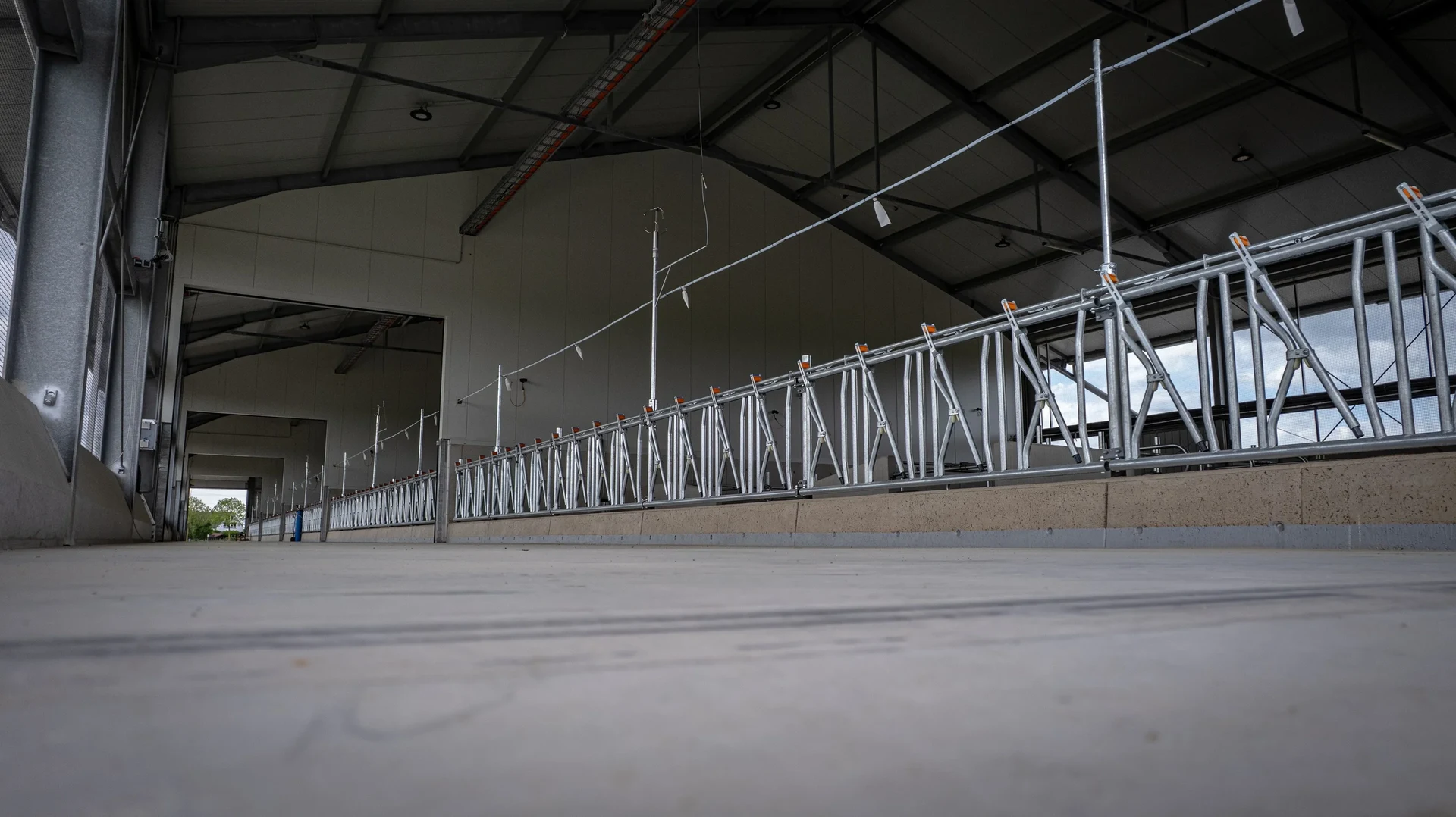
Environmental and Climate Protection
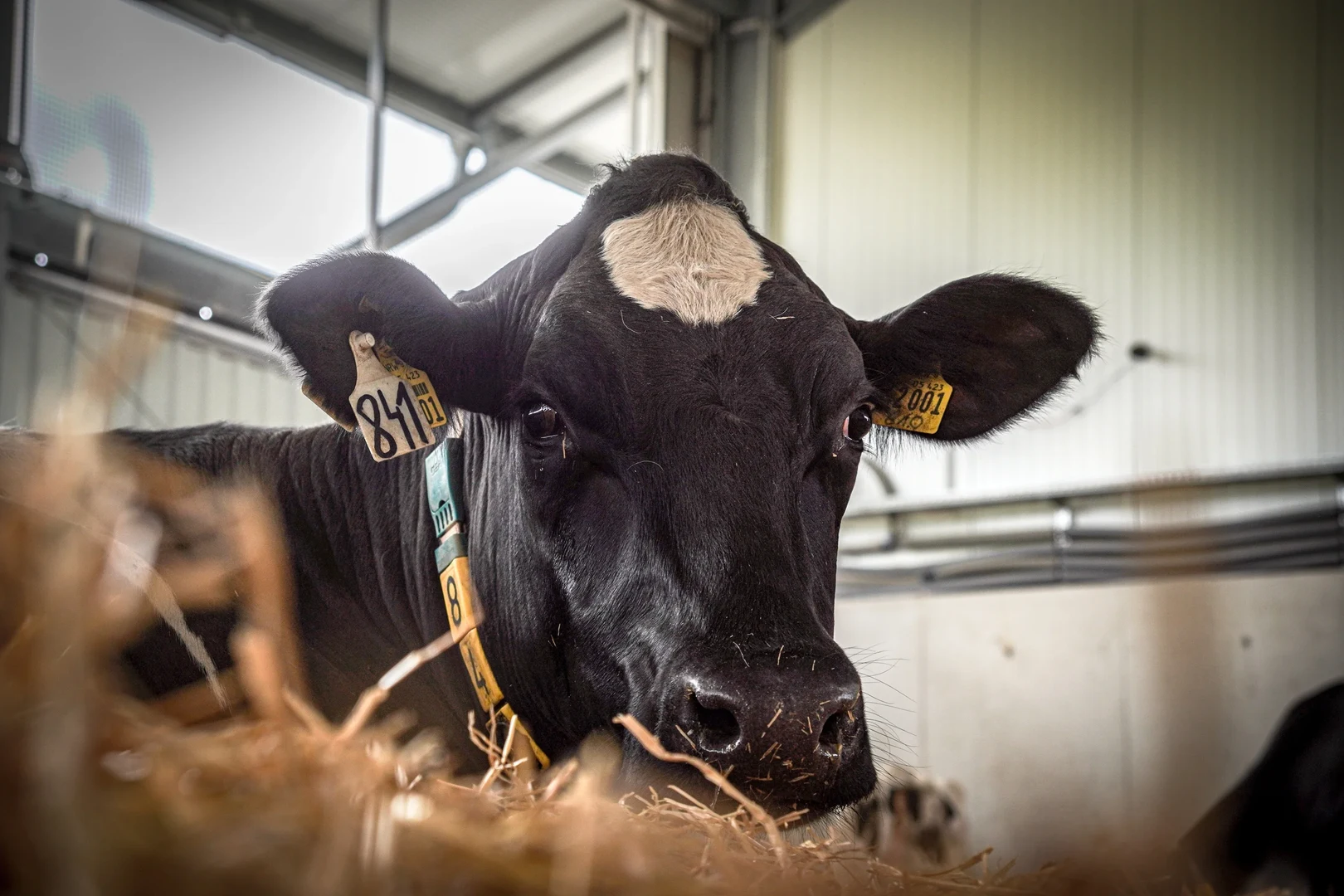
Animal Welfare and Precision Livestock Farming
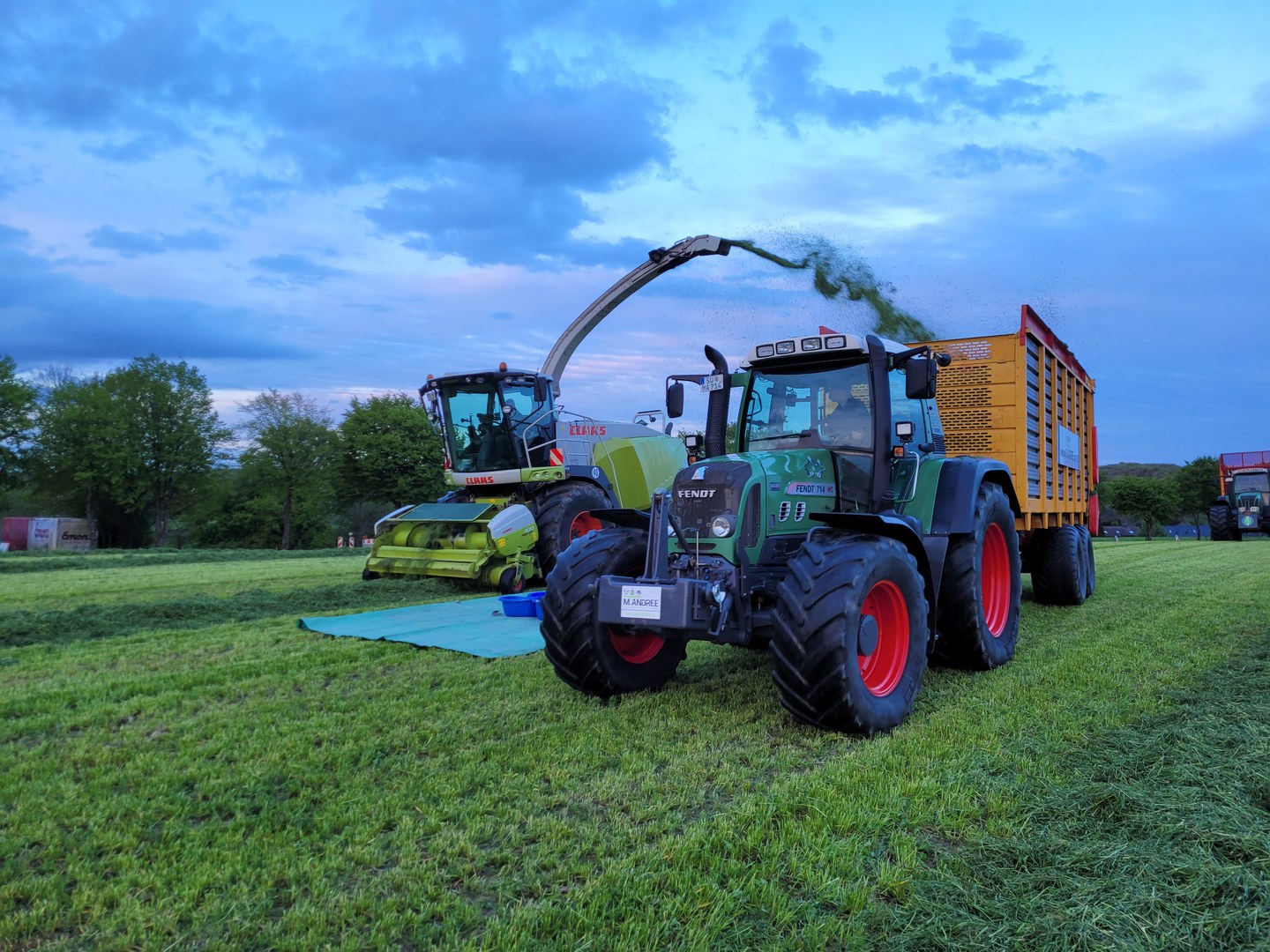
Feed Preservation
Current topics from the department
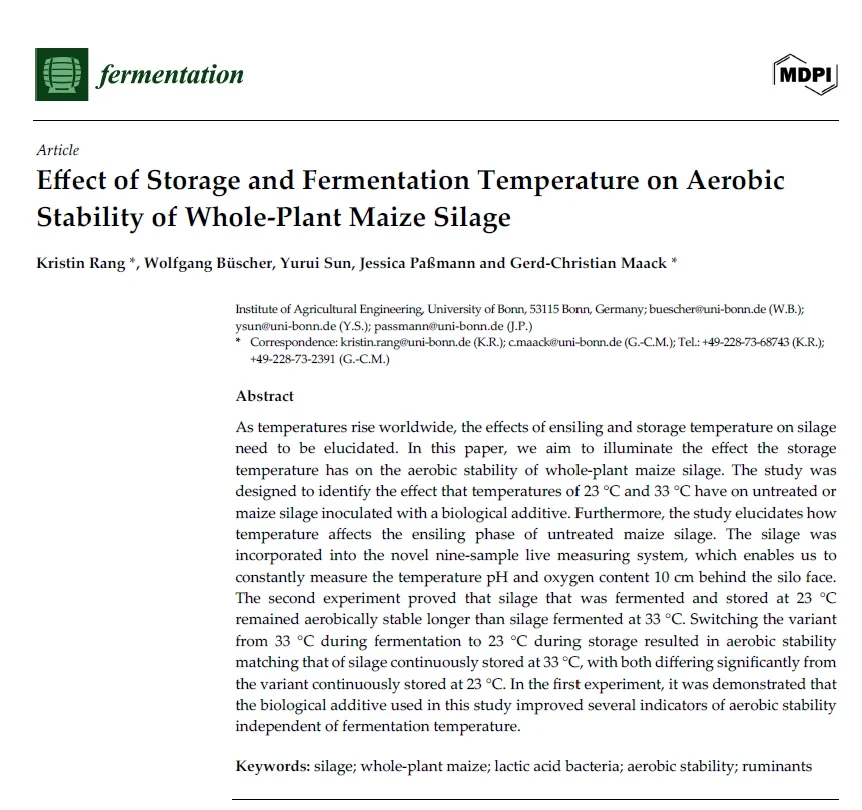
Publication on the aerobic stability of maize silage
A new paper from the Institute of Agricultural Engineering has been published in the journal *Fermentation*. In the study entitled ‘Effect of Storage and Fermentation Temperature on Aerobic Stability of Whole-Plant Maize Silage’, Ms Kristin Rang investigated the effect of different fermentation and storage temperatures on the aerobic stability of whole-plant maize silage.
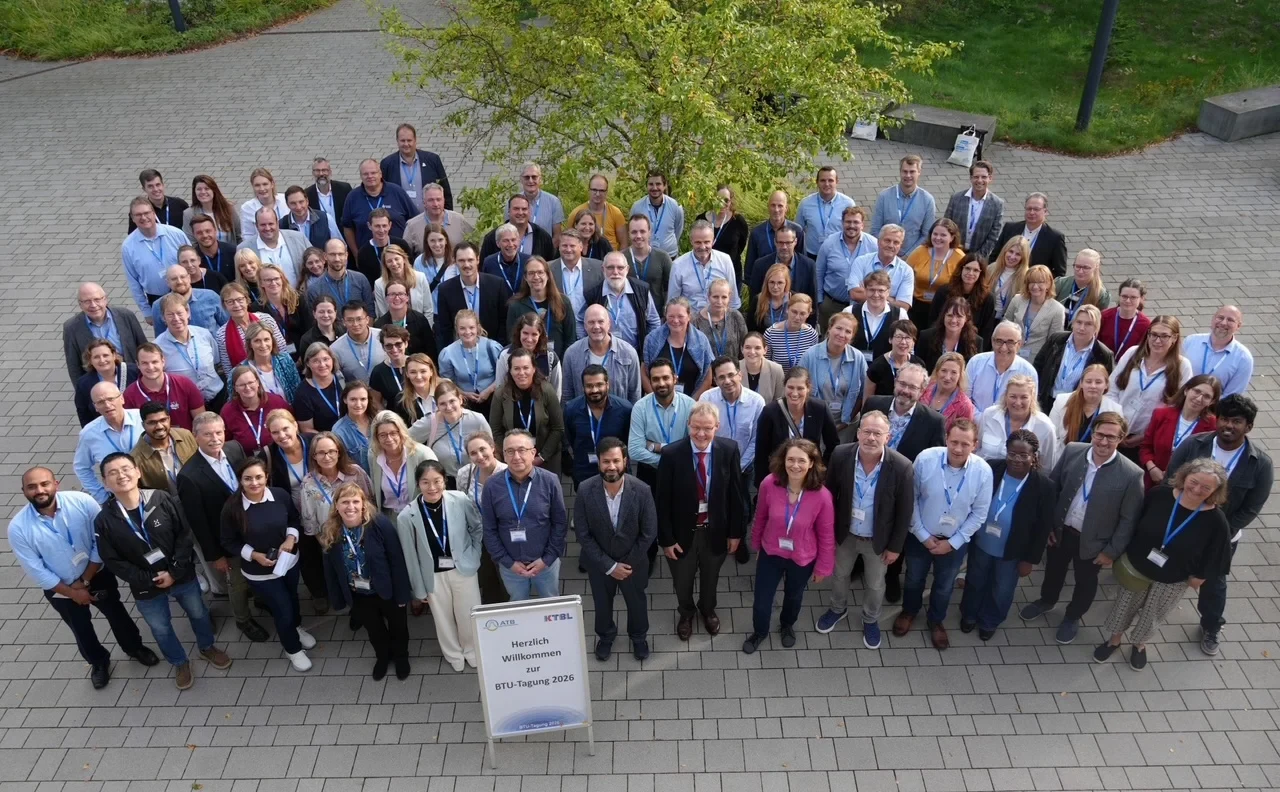
Institute of Agricultural Engineering presents research papers at the 17th BTU Conference
From 15 to 17 September 2026, the 17th conference on ‘Construction, Technology and the Environment in Livestock Farming’ (BTU) took place at the Leibniz Institute for Agricultural Engineering and Bioeconomy (ATB) in Potsdam. Held every two years, this specialist conference brings together representatives from academia, industry, consultancy and public administration, and provides a platform for the presentation and discussion of the latest research findings relating to livestock farming.
The Institute of Agricultural Engineering at the University of Bonn was also represented with several scientific presentations. Current progress on the research projects Effilage, KuhFit, TUI-Milchkuh, N-Passend and Saft2Cattle was presented. You can find out more under the individual research projects.
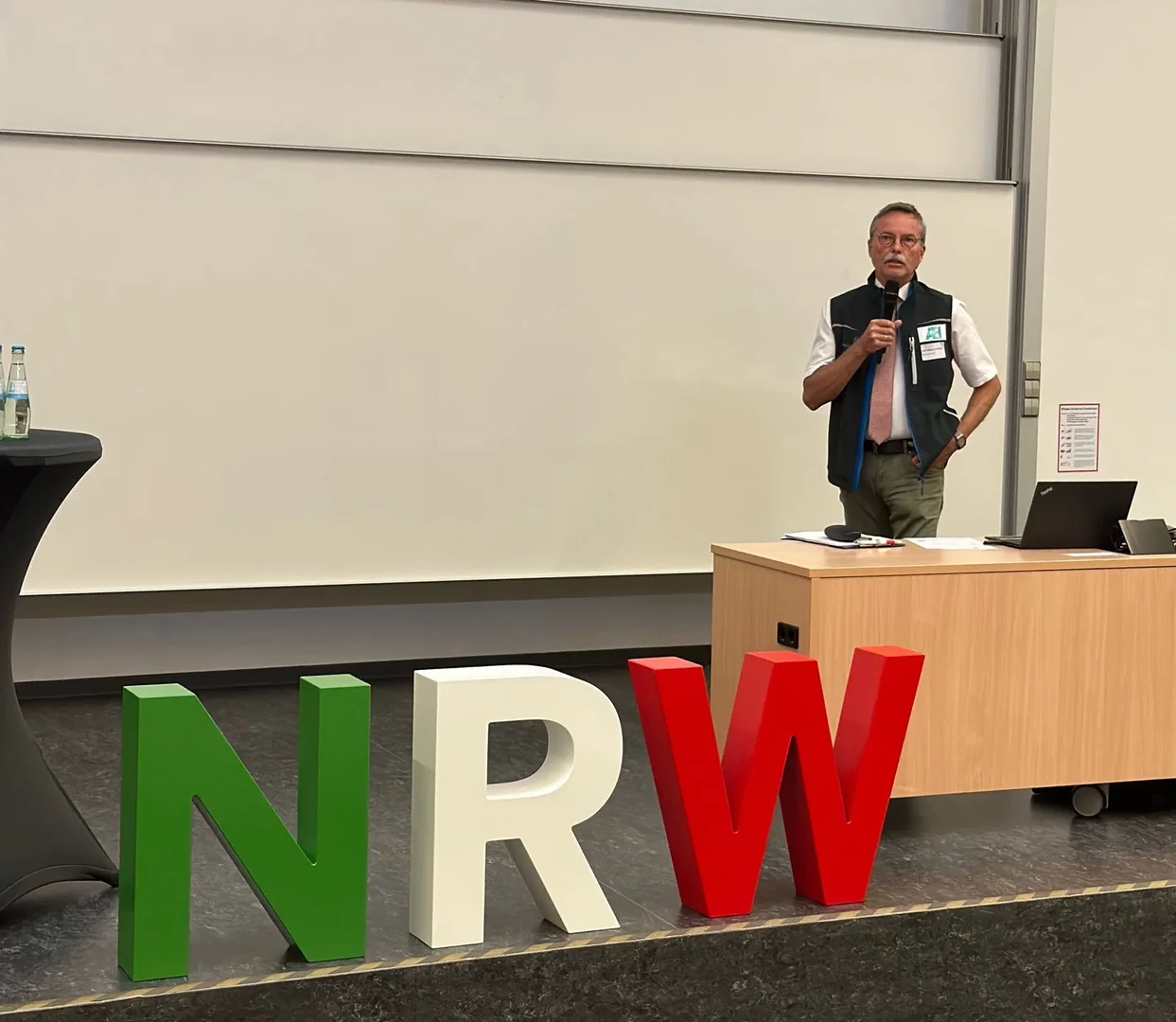
Agricultural Research Day NRW 2026
At the Agricultural Research Day organised by the Ministry of Agriculture and Consumer Protection of the State of North Rhine-Westphalia on 3 September, Prof. Wolfgang Büscher gave a presentation on the topic: “From digitalisation to AI applications in livestock farming”
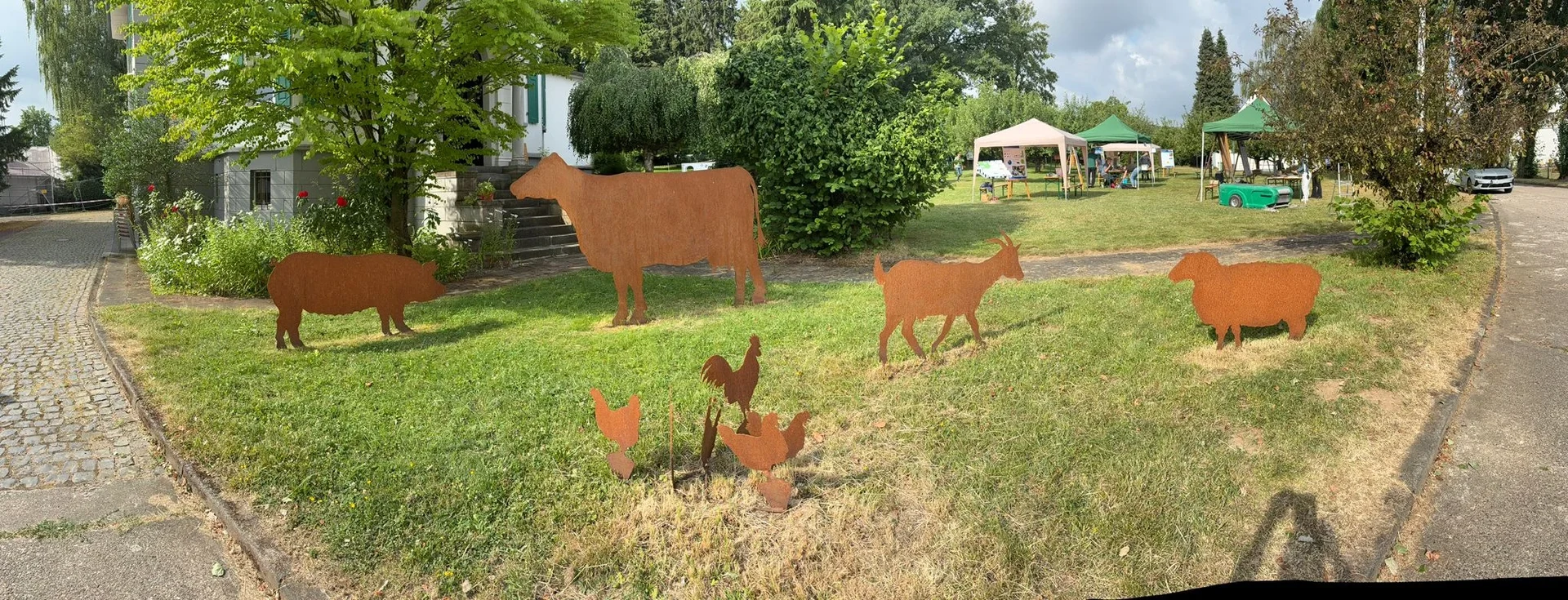
The Frankenforst Campus Open Day delights visitors
At the farm open day on 5 July 2026, the Frankenforst Experimental Farm offered fascinating insights into its various areas of research and work. Numerous visitors took the opportunity to find out about current projects and modern technologies in livestock farming. The direct exchange between the scientific community, the research sector and the public made the farm open day a great success.
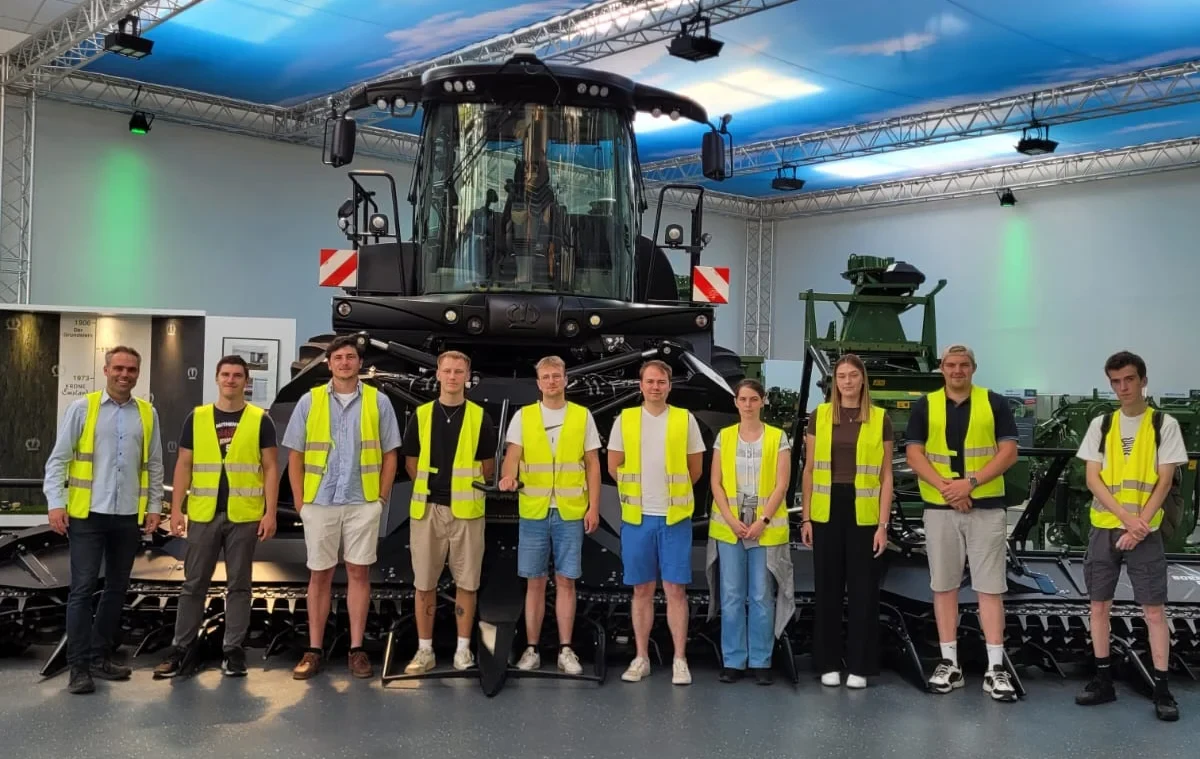
Field trip to KRONE Company
On 1 July 2026, students on the Master’s module in Forage Preservation visited the KRONE company in Spelle as part of a full-day field trip. The field trip gave the participants a comprehensive insight into the development and production of modern harvesting technology for forage preservation.
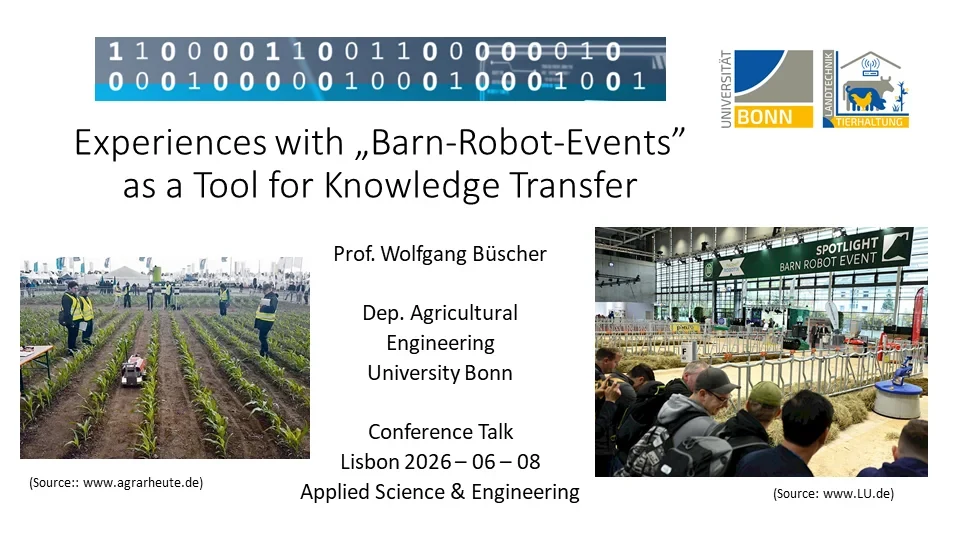
The Barn Robot Event: Bridging the Gap Between Research and Practice
On 8 June 2026, Prof. Dr Wolfgang Büscher attended the 2nd European Meeting on Applied Science and Engineering in Lisbon (Portugal). The international conference brought together scientists from various disciplines to discuss the latest developments and innovative approaches in science and technology.
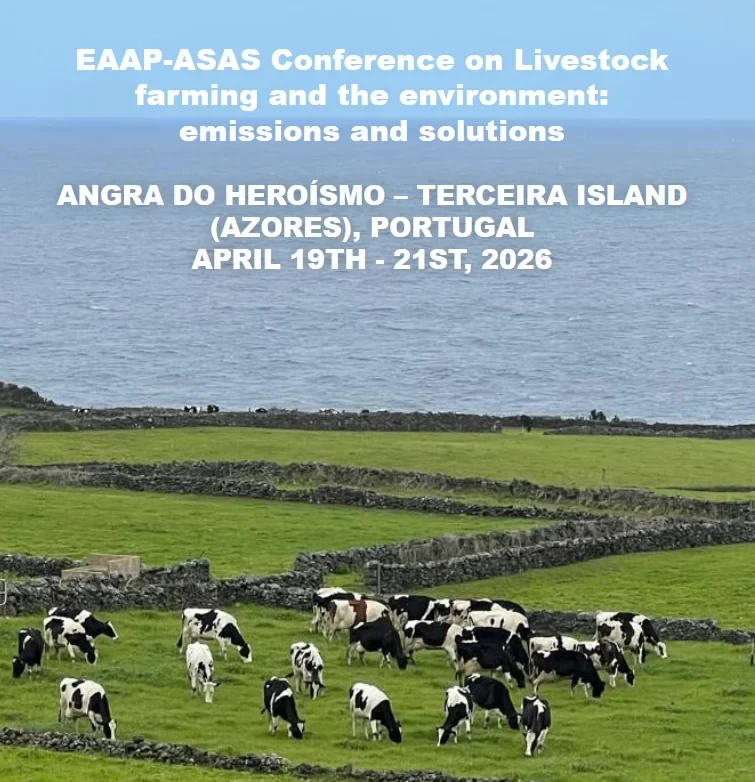
Papers presented at the EAAP-ASAS Conference in the Azores
In April 2026, Stefanie Dicks, Diana Nett and Dr Jessica Paßmann attended the international EAAP-ASAS conference in the Azores (Portugal) and presented the latest research findings from the Institute of Agricultural Engineering.
The conference, entitled ‘Livestock Farming and the Environment: Emissions and Solutions’, took place in April 2026 on the island of Terceira and brought together researchers from Europe and North America. The focus was on key challenges in livestock farming, in particular methane and nitrogen emissions, as well as sustainable livestock farming systems.
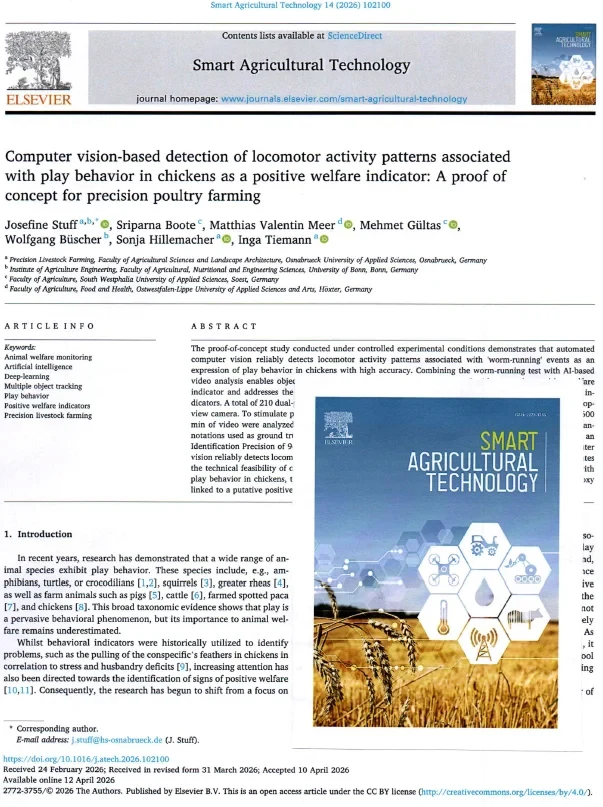
Publication on AI-assisted detection of behavioural patterns in poultry
A recent article published in the journal *Smart Agricultural Technology* presents the automated detection of movement and activity patterns in chickens using computer vision (AI-supported image analysis). The study by Josefine Stuff (formerly of the Institute of Agricultural Engineering, University of Bonn) demonstrates how play-like behaviour can be used as an indicator of positive animal welfare.
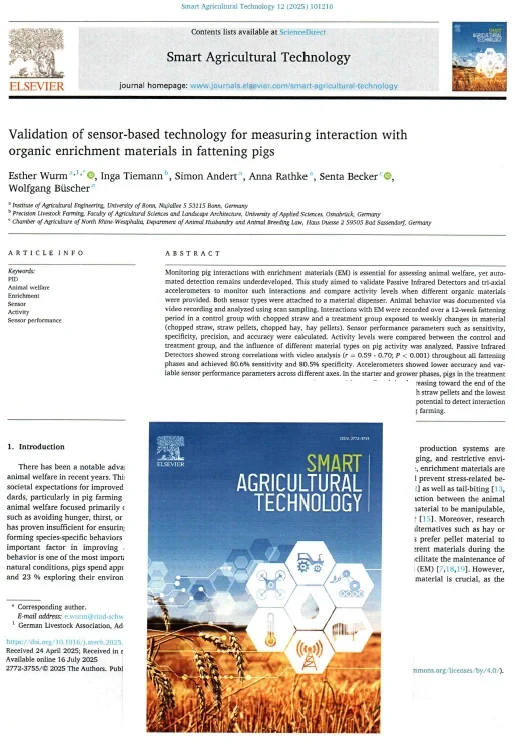
Publication on sensor-based behavioural analysis in fattening pigs
A recent article in the journal *Smart Agricultural Technology* examines the validation of sensor-based technologies for monitoring interactions between fattening pigs and enrichment materials. The study was carried out by Esther Wurm (formerly of the Institute of Agricultural Engineering, University of Bonn).
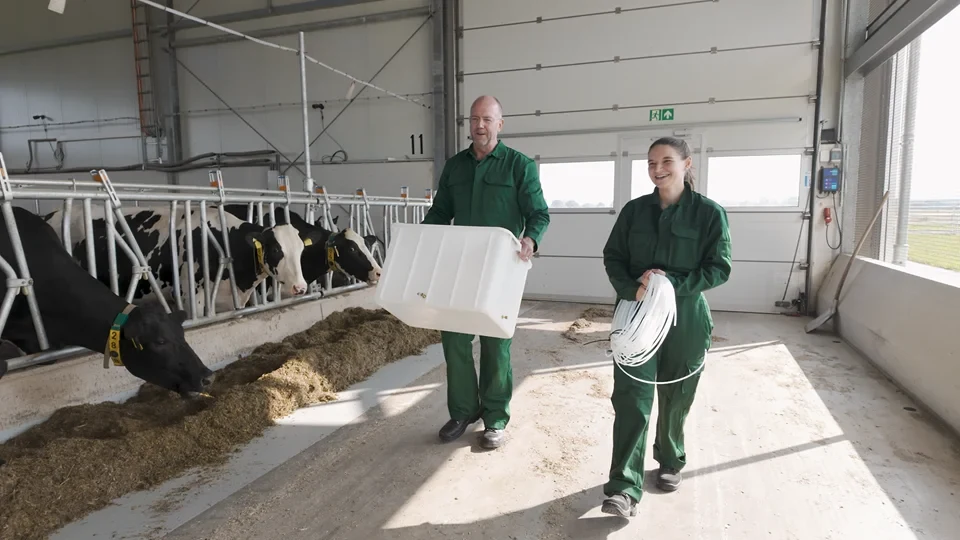
Contribution to the EMeRGE Symposium 2026 in Potsdam
On 21 January 2026, Diana Nett and Dr Manfred Trimborn attended the ‘EMeRGE Symposium 2026 – Working Together to Reduce Methane Emissions’ at the Leibniz Institute for Agricultural Engineering and Bioeconomy.
As part of the event, they presented a talk entitled ‘Emissions reduction in dairy cattle housing – practical experience of using calcium cyanamide’. Practical findings on reducing emissions in dairy cattle housing were presented and discussed in depth with the specialist audience.
The symposium provided an important platform for dialogue between the research and practical sectors, with the aim of further developing concrete measures to reduce methane emissions.
Will we still keep pigs in the future?
From 5 to 7 February 2025, the VLF National Seminar for Pig Farmers took place at Hofgut Neumühle. Prof. Dr Wolfgang Büscher was invited as a speaker and gave two specialist presentations on current and future issues in pig farming.
In his first presentation, he outlined possible applications of artificial intelligence in pig farms and discussed its potential for animal monitoring, management and improving efficiency. The second presentation focused on energy supply for agricultural holdings using photovoltaic systems, in particular the use of battery buffers to stabilise and optimise self-consumption.
The seminar provided a valuable platform for dialogue between academia and industry.
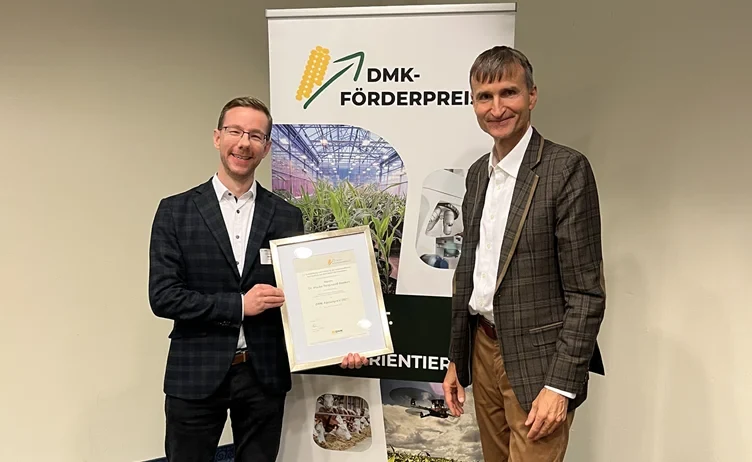
Dr Hauke Deeken receives the German Maize Committee’s award
Dr Hauke Ferdinand Deeken was awarded the German Maize Committee (DMK) Encouragement Prize for his doctoral thesis. The thesis, entitled “Environmental impacts of silage production: Formation, emission and fixation of gases from field to barn”, examines the emission processes throughout the entire silage production chain – from the field to the barn.
Since 1998, the DMK has been honouring authors of exceptional, practice-oriented scientific works relating to maize cultivation. The doctoral thesis was completed at the Institute of Agricultural Engineering at the University of Bonn, within the Chair of Animal Husbandry Technology (Prof. Dr Wolfgang Büscher), in the Forage Preservation research group. The award ceremony takes place annually as part of the DMK Annual Conference in mid-November.
The award specifically recognises the scientific relevance and practical application of the research into reducing emissions in silage production.
Presentation at the USPLF Conference in Nebraska
From 2 to 5 June 2025, Dr Jessica Paßmann and Ms Diana Nett attended the United States Precision Livestock Farming (USPLF) Conference in Lincoln, Nebraska. Both presented the latest research findings on emissions from dairy farming.
Dr Paßmann presented the TUI barn under the title “TUI Barn: An integrated approach to emissions, animal welfare and system synergies”. The project centres on a modular research barn in which the interactions between animal welfare, the environment and husbandry techniques are investigated under realistic conditions.
Ms Nett gave a presentation entitled “Long-term investigations of ammonia emissions from slatted floors in dairy barns with rubber inserts and emission protection flaps”. The focus was on long-term measurements aimed at reducing ammonia emissions through technical modifications.
The international conference provided an excellent opportunity for scientific exchange and networking with colleagues specialising in precision livestock farming. The University of Bonn’s research was thus also represented on the international stage.

Silage Conference in Gainesville
From 21 to 24 July, the ‘Feed Preservation’ team, led by Prof. Wolfgang Büscher, took part in the 20th International Silage Conference (ISC) in Gainesville, Florida.
Dr Maack, together with Dr Siriwan Martens from the Saxon State Office for the Environment, Agriculture and Geology, presented various physical spoilage parameters measured at the silage cut surface. As a member of the Federal Working Group on Forage Preservation, he also contributed to the ‘Silage Controlling’ poster series.
In a poster presentation, Prof. Sun showcased his innovative and newly patented multi-sensor system for the real-time measurement of various silage parameters during fermentation or aerobic storage.
Ms Kristin Rang presented her poster, which examined the influence of storage temperature on the aerobic stability of silage.
Ms Wanda Flegler from the Institute of Nutrition and Food Sciences, as a project partner, also presented interim results from the “Effilage” project in a talk on microbial dynamics.
The international conference fostered scientific exchange with colleagues specialising in silage research and created many opportunities for networking.
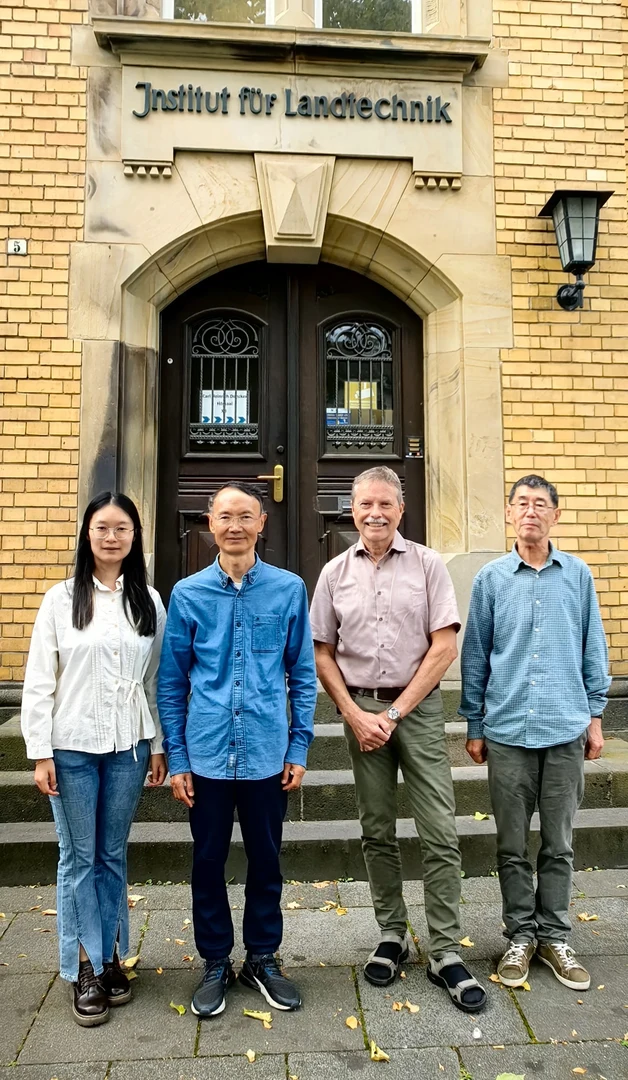
Visit by Prof. Wang from Chengdu University to the Institute of Agricultural Engineering
On 3 September 2025, Prof. Dr Büscher welcomed his colleague, Prof. Wang, from Chengdu University. Prof. Wang is a former dean of Chengdu University and currently heads the Sichuan Provincial Key Laboratory of Meat Processing.
During his visit, there was a professional exchange on current research topics in meat science and processing technology. In addition, possible avenues for future collaboration between the two institutions were discussed.
The visit underlines the shared interest in international knowledge transfer and scientific networking.

Prof. Dr. Wolfgang Büscher Head of Livestock Department